Infuse Patriotism with Nostalgia: Vintage Retro US Flag Backgrounds
Understanding the Aesthetic Power of the Collection
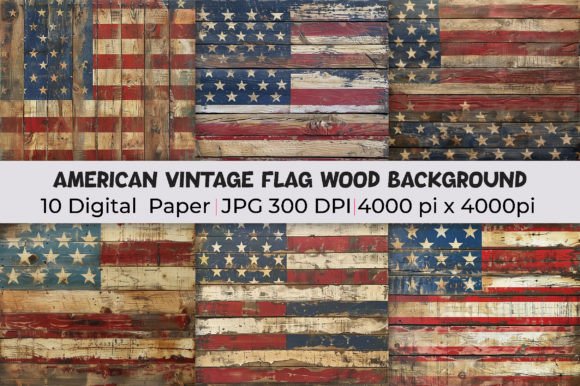
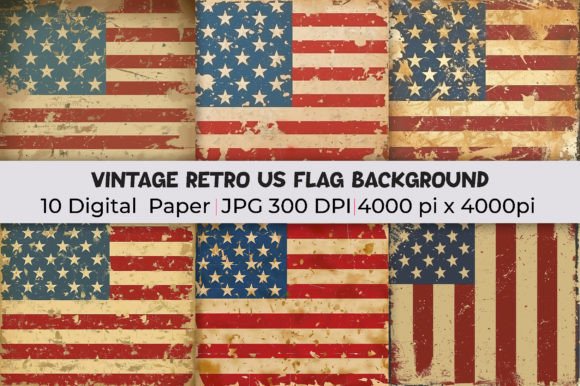
There is a distinct emotional resonance that comes with imagery that feels both familiar and artistic. The Vintage Retro US Flag Backgrounds collection offers exactly that—a blend of patriotic symbolism with an artistic, weathered aesthetic that feels handcrafted rather than mass-produced. When we talk about design assets, we often look for versatility, but this collection goes beyond utility. It brings a specific "personality" to the table. These are not just flat, digital representations of a flag; they are textured, high-resolution canvases that mimic the look of aged canvas, distressed paint, or weathered wood.
The visual style here leans heavily into the "lived-in" look. You will notice that the colors are vibrant yet sophisticated, avoiding the harsh primary reds and blues often found in clipart. Instead, the hues are nuanced, offering depth that allows text and other design assets to pop against them without clashing. The "intricate details" mentioned in the product description refer to the subtle grain and texture within the images. This texture adds a tactile quality to digital work, making the viewer feel as though they could reach out and touch the grain of the fabric or the crackle of the paint. For anyone working on a brand identity that needs to convey authenticity, history, or ruggedness, this visual language is invaluable.
Strategic Applications for Modern Creators
The utility of the Vintage Retro US Flag Backgrounds extends far beyond simple holiday greetings. As a creative professional, you have to think about context. In web design, for instance, a full-bleed background image can sometimes slow down a site or distract from content. However, using these high-quality JPGs as hero section backgrounds—perhaps with a slight overlay or a semi-transparent container—can immediately establish the theme of a website for a veteran-owned business, a political commentary blog, or a history-focused e-commerce store.
For those in packaging design, the applications are particularly exciting. Imagine a limited-edition run of craft beer or artisanal jerky. Slapping a glossy, modern vector flag on the label might feel sterile. But using one of these vintage textures as the background layer instantly communicates that the product inside is traditional, carefully made, and premium. It shifts the perception from "mass-market" to "small-batch."
Furthermore, in the realm of social media graphics, the scroll-stopping power of texture cannot be underestimated. Algorithms favor engagement, and high-contrast, textured backgrounds often perform better than flat, corporate colors. Whether you are creating an Instagram Story for Memorial Day, a Facebook cover photo for a community group, or a Pinterest pin for a DIY project, the 4000x4000 pixel resolution ensures you can crop aggressively without losing quality. You can zoom in on a specific corner of the flag to create a unique banner, or use the full image for a desktop wallpaper. The consistency across the 10 images in the set also helps maintain a cohesive aesthetic across a multi-day campaign.
Pairing Typography with Textured Backgrounds
One of the most common challenges designers face when using complex backgrounds is readability. If the background is too busy, the message gets lost. The beauty of the Vintage Retro US Flag Backgrounds is that the texture acts as a mid-tone, allowing for strategic placement of typography. However, font selection is critical here. You generally want to avoid using a handwritten font or a highly decorative script font directly over the busiest parts of the flag, as the loops and swirls can get tangled in the visual noise of the background.
Instead, consider using a bold sans serif font for headlines. The clean, geometric lines of a modern sans serif provide a striking contrast to the organic, vintage feel of the background. This contrast creates a dynamic visual hierarchy that draws the eye. Alternatively, a sturdy serif font with a thick stroke weight can work beautifully if you are aiming for a more traditional, "newspaper" or "old west" aesthetic.
A practical tip for logo design and overlay work: create a "knockout" effect. Place a solid shape—like a circle, a star, or a banner ribbon—over the flag background, and place your text inside that shape. This isolates the typography from the texture, ensuring maximum legibility while still utilizing the vintage aesthetic as a framing device. When testing your font pairing, always view the composition at a small size (like a mobile phone screen) to ensure the details of the background don't overwhelm the text.
Technical Specifications and Workflow Integration
From a production standpoint, the deliverables included in this package are designed for ease of use. You receive 10 distinct, high-quality jpg images, each sized at 4000 pixels by 4000 pixels. This square aspect ratio is incredibly versatile. It is perfect for social media posts (which favor square formats), but it is also large enough to be used in editorial design for magazine spreads or book covers. While the prompt notes these are JPGs, the resolution is high enough that they function well as premium font companions in print media.
When integrating these into your workflow, remember that JPGs do not support transparency. This means you cannot simply drop the flag behind an object and expect the object to mask the background automatically without editing. However, this is easily managed in Photoshop or Canva using layer masks or overlay modes. For marketers and entrepreneurs who may not be deep into complex photo editing, these backgrounds work best when used as the base layer of your design, with text and graphics placed on top using "Multiply" or "Overlay" blend modes to let the texture show through the graphics.
Ultimately, the value of this collection lies in its ability to bridge the gap between digital precision and analog warmth. Whether you are a content creator looking to spice up a YouTube thumbnail or a small business owner designing flyers for a local event, these backgrounds provide a sophisticated, ready-to-use foundation that elevates the final product from amateur to professional. It’s about using the right texture to tell the right story.