Aztec Grain Distressed Retro Backgrounds: Ancient Allure Meets Vintage Texture
There's a certain magic in designs that feel both ancient and lived-in. They carry a weight of history, a sense of story, that clean, modern graphics often struggle to convey. This is the precise space occupied by the Aztec Grain Distressed Retro Backgrounds. More than just a set of digital files, this collection is a bridge between eras, fusing the intricate, symbolic geometry of Aztec-inspired motifs with the tactile, worn character of distressed grain textures. The result is a visual language that feels authentically retro, deeply cultural, and surprisingly versatile for today's creative projects.
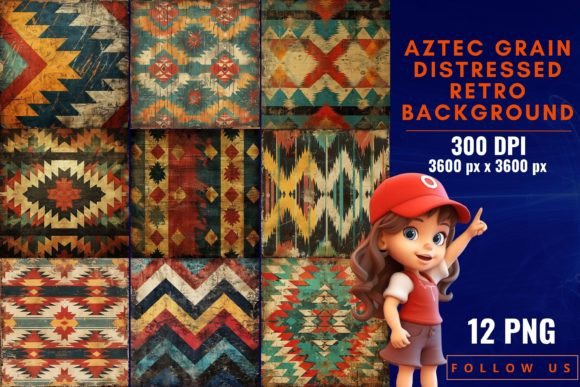
Visually, the personality of these backgrounds is one of textured sophistication. The core Aztec patterns—think stepped frets, concentric circles, and stylized animal or natural forms—are rendered with a level of detail that invites closer inspection. Overlaid is a masterful distressed grain texture, which acts like a patina of age. It softens the graphic edges, introduces subtle noise and imperfections, and prevents the patterns from feeling overly sharp or digital. This combination creates a warm, earthy aesthetic. The color palettes often lean into muted terracottas, deep indigos, sandy beiges, and oxidized greens, further enhancing the vintage, handcrafted feel. The overall appeal is one of authenticity—it doesn't just look retro; it feels like it has a history.
Where Ancient Texture Meets Modern Design
The true strength of a resource like this lies in its adaptability. For designers and brand strategists, the Aztec Grain Distressed Retro Backgrounds offer a powerful tool for establishing a distinct brand identity that prioritizes storytelling and cultural depth. Imagine these textures as the foundation for a logo design or brand collateral for a craft brewery, a boutique mezcal brand, or an artisanal coffee roaster. The distressed grain adds a layer of handcrafted authenticity, while the Aztec patterns inject a sense of heritage and exotic flair that sets the brand apart from competitors using generic modern typography alone.
In packaging design, these backgrounds can transform a product. A simple coffee bag or hot sauce label becomes a miniature canvas of cultural richness. The seamless tiling capability is crucial here, allowing the pattern to wrap around boxes or bags without creating jarring seams, maintaining the immersive experience. For editorial design and publishing, they serve as compelling chapter openers, section dividers, or full-bleed backgrounds for magazine features on history, travel, or anthropology. The high-resolution ensures that even when scaled, the intricate details of each motif remain crisp, a non-negotiable for professional print work.
Practical Guidance for Seamless Integration
Choosing and using such a distinct design asset requires a thoughtful approach. First, evaluate your project's fit. These backgrounds excel in contexts where a retro aesthetic, historical narrative, or cultural connection is desired. They might be less suitable for a minimalist tech startup or a corporate financial report, where their rich texture could feel incongruous. Always consider the personality of the typeface or font pairing you intend to use. A clean, geometric sans serif font can create a striking contrast against the textured background, ensuring readability. A rugged serif font or even a bold display font can lean into the vintage theme, but careful kerning and tracking are essential to maintain visual hierarchy.
Before committing, test the backgrounds in context. How do they interact with your primary color scheme? Does the texture level of the distressed grain allow for legible text overlays, especially in web design or social media graphics? For digital applications, consider using the backgrounds at reduced opacity or as a subtle texture behind content areas to avoid overwhelming the viewer. In textile or stationery applications, the seamless pattern is a major asset for creating repeat designs for fabrics, wallpaper, or notebook covers.
Finally, understand the licensing. For entrepreneurs and small business owners, confirming that the collection includes a commercial font license is critical for using it in products for sale, marketing materials, or client work. A comprehensive package will often include multiple file formats (like JPG, PNG, and possibly vector patterns) to accommodate different software and use cases, from Adobe Illustrator to Canva.
Unlocking Timeless Appeal
The Aztec Grain Distressed Retro Backgrounds are more than just decorative elements; they are narrative tools. They allow content creators and crafters to imbue their work with a sense of time and place. A blogger writing about sustainable living or indigenous crafts can use these as website headers to immediately establish a thematic connection. A marketer creating a campaign for a heritage-inspired product line can leverage these textures across digital ads, email newsletters, and print posters to build a cohesive and engaging world for the audience.
In a digital landscape saturated with flat, vector-based graphics, the organic, tactile quality of these distressed backgrounds offers a refreshing counterpoint. They engage the viewer on a sensory level, suggesting warmth, craftsmanship, and a story worth exploring. By integrating them thoughtfully—balancing their intricate detail with clean typography and ample white space—you can elevate a project from merely informative to genuinely evocative, creating a lasting impression that resonates with a sense of timeless allure.